Septic Solution services in Dekalb County, AL
Dekalb County, AL Septic Solution services
Professional Septic Solution Services In DeKalb County, AL
Reliable wastewater management is essential for keeping homes and properties throughout DeKalb County sanitary, functional, and comfortable. Our professional septic solution services are tailored to each property's layout, wastewater needs, and existing system condition. From rural homesites around Rainsville and Henagar to properties near Fort Payne and Mentone, we provide practical support for wastewater system concerns, including septic repairs and maintenance.
Property-Specific Septic Care For DeKalb County Homes And Rural Properties
Septic system requirements can vary significantly across DeKalb County because properties are situated across different elevations and landforms. The county includes the elevated Sand Mountain plateau, the ridges of Lookout Mountain, and the Big Wills Valley between them. Homes near Fort Payne may have different access and site conditions from properties around Ider, Mentone, Collinsville, or Sylvania. These differences matter when evaluating installation space, ground slope, drainage, and access for service equipment. Our approach focuses on understanding the property's individual characteristics and existing wastewater system before recommending the appropriate service.
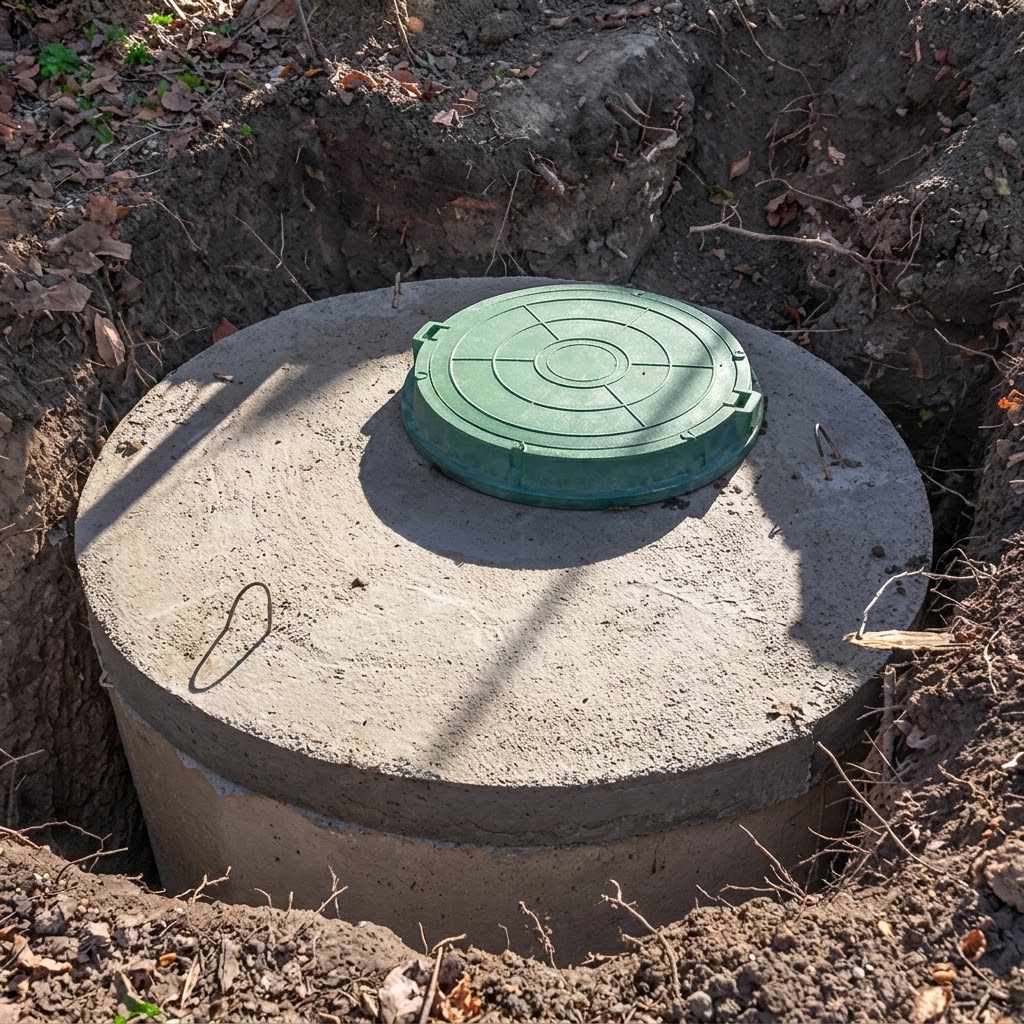
Specialized Septic Services For DeKalb County Properties
Whether you are planning a new homesite, maintaining an existing septic system, or investigating a recurring wastewater problem, the right service depends on the property and the condition of the installation. We provide septic support for three important areas of system ownership: design and installation, repairs and maintenance, and inspections.
- Septic System Design And Installation Septic system design and installation require careful attention to the property's layout, expected wastewater demand, available land, and applicable site requirements. DeKalb County includes plateau properties, wooded homesites, sloping land, and locations near mountain ridges and canyon features. These characteristics can affect site access, drainage, and the available area for an installation. We focus on evaluating the property's conditions and planning the work around its specific requirements so the proposed system is appropriate for the site and intended use.
- Septic Repairs And Maintenance Septic repairs and maintenance help address conditions that interfere with normal wastewater flow and system performance. Slow drains, unusual odors, backups, saturated ground, and recurring plumbing problems can indicate that one or more septic components need attention. Maintenance also gives property owners an opportunity to stay informed about their system's condition and service history. Our approach considers the tank, connected pipes, and drainfield when evaluating the reported concern.
- Septic Inspections Septic inspections help property owners understand the condition of an existing wastewater system. They can be useful when purchasing a home, preparing a property for sale, planning renovations, or investigating repeated septic concerns. We review accessible system components and visible warning signs to help identify conditions that may require maintenance, repairs, or additional evaluation. An inspection also provides useful information for owners who need a better understanding of an older system or one with limited service records.
Why DeKalb County Property Owners Rely On Professional Septic Service
A septic system is an important part of any property that depends on private wastewater treatment. When a component stops working properly, the effects can reach household plumbing, outdoor areas, and everyday property use. A slow drain, recurring backup, or unpleasant odor may involve more than one part of the installation, which is why it is important to consider the overall system condition. Our service approach emphasizes reviewing the reported concern, evaluating accessible components, and explaining the work that may be needed. For DeKalb County homeowners, the goal is practical septic support that considers the actual requirements of each property.
Septic System Warning Signs DeKalb County Property Owners Should Not Ignore
Septic system problems can begin with small changes that gradually become more noticeable. Property owners in Fort Payne, Rainsville, Henagar, Collinsville, Mentone, Fyffe, Geraldine, and surrounding rural communities should pay attention to changes in household drainage and conditions around the system. Common warning signs include:
- Toilets, sinks, tubs, or showers that drain slowly throughout the property
- Gurgling sounds from plumbing fixtures when water is running or toilets are flushed
- Sewage odors inside the home or around the septic tank and drainfield
- Wet, unusually soft, or persistently saturated ground near the septic installation
- Wastewater backing up into toilets, showers, tubs, or floor drains
- Unusually green or fast-growing grass concentrated over part of the drainfield
- Recurring septic problems even after previous maintenance or temporary repairs
- Visible concerns involving accessible tank covers, pipes, or other system components
These symptoms can have different causes, so it is important not to assume that every concern comes from the tank itself. A professional evaluation can help determine whether the problem involves the tank, plumbing connections, drainfield, water usage, or another part of the system. Addressing concerns early can help property owners understand the system's condition and determine which service may be appropriate.
A Straightforward Septic Service Process For DeKalb County Customers
Property owners should understand the condition of their septic system and the work being recommended. Our process begins with reviewing the reported concern and gathering relevant information about the property and existing installation. We then consider accessible system components and discuss the service that may be needed. Whether the project involves a new installation, a repair, routine maintenance, or an inspection, our focus is on organized service, clear communication, and attention to the details that influence system performance.
What Distinguishes Our Septic Services In DeKalb County, AL
- Septic recommendations based on the property's layout, wastewater needs, and existing system condition
- Support for septic system design, installation, repairs, maintenance, and inspections
- Consideration of plateau properties, wooded lots, mountain ridges, and rural homesites
- Attention to access, slope, drainage patterns, and available installation space
- Practical explanations that help property owners understand the reported issue and recommended work
- Service considerations for properties around Fort Payne, Rainsville, Henagar, Collinsville, Mentone, and surrounding communities
- A focus on responsible wastewater management and long-term system care
Septic System Considerations For Different Properties In DeKalb County, AL
DeKalb County is located in northeastern Alabama and includes several distinct communities, including Fort Payne, Rainsville, Henagar, Collinsville, Fyffe, Geraldine, Hammondville, Ider, Mentone, Sylvania, and other smaller towns. These areas include established neighborhoods, commercial properties, rural homesites, and residential lots outside municipal centers. Utility arrangements vary by location, so some properties may have access to public sewer service while others rely on private onsite wastewater systems. Property owners should confirm the available utility services for their specific address before planning a septic installation, replacement, or major improvement.
One of the county's defining geographic features is Sand Mountain, an elevated plateau that covers much of the western part of the area. Properties in this region can have different elevations, land layouts, and drainage patterns from homes farther east. A septic project on a plateau homesite still requires a site-specific review of the available land, actual soil conditions, proposed system location, and applicable installation requirements.
Lookout Mountain creates a different setting in the eastern part of DeKalb County. Its ridges, steep areas, and canyon features can make some properties more challenging to access or develop than flatter residential lots. Around Mentone and the Little River Canyon area, property layouts may include wooded land, slopes, and natural drainage features. These conditions make it especially important to evaluate the individual site rather than assume that a standard installation layout will work everywhere.
Big Wills Valley lies between Sand Mountain and Lookout Mountain and provides another distinct property setting. Homes in and around the valley may have different access, ground conditions, and drainage considerations from properties situated higher on the plateau or ridges. Where a private septic system is used, the tank and drainfield need to be evaluated according to the actual property and applicable requirements.
Little River Canyon is another important geographic feature of the county. The surrounding landscape includes wooded areas, slopes, and natural watercourses. Properties in this broader region may need particular care when evaluating surface runoff and the location of a wastewater system relative to nearby drainage features. The actual distance from water features, site layout, and relevant local requirements should guide the planning process.
Older homes throughout Fort Payne, Collinsville, Rainsville, and other communities may also have septic systems with limited service records, previous repairs, or components that have been in operation for many years. Before planning renovations or major property improvements, it can be helpful to identify the existing tank and drainfield locations and evaluate the current system condition. New construction and newly acquired rural properties may need a separate review to determine whether an onsite system is suitable for the intended use.
Supporting Long-Term Septic System Performance In DeKalb County
Responsible daily use and routine maintenance both contribute to better septic system care. Property owners should avoid flushing wipes, paper towels, grease, and other unsuitable materials into household drains. Managing water usage, repairing leaking fixtures, and avoiding excessive wastewater entering the system in a short period can also help reduce unnecessary strain. Inspections and appropriate pumping intervals should be based on factors such as tank capacity, household size, water consumption, and the system's condition.
Knowing the location of the tank and drainfield is also important. Avoid driving vehicles or placing heavy equipment over septic components, and do not build structures or make major landscaping changes over the designated system area without proper evaluation. For properties on Sand Mountain or along the slopes of Lookout Mountain, it is useful to understand how surrounding land directs surface water around the septic area. Keeping runoff away from the drainfield can help reduce unnecessary saturation around the installation.
Reliable Septic Solution Services Throughout DeKalb County, AL
DeKalb County properties range from established homes in Fort Payne and Rainsville to rural residences around Henagar, Collinsville, Fyffe, Geraldine, and Ider. Some homesites are situated on the Sand Mountain plateau, while others are closer to the ridges and canyon areas around Lookout Mountain and Mentone. These different settings can create different septic service requirements. We approach each project by considering the property's utility arrangement, site layout, access, existing wastewater system, and the concern reported by the owner. This keeps the recommended work focused on the actual property, whether the need involves a new installation, a repair, routine maintenance, or an inspection.
Septic System Support For DeKalb County Homes And Rural Properties
Properties that rely on private septic systems need wastewater solutions suited to their household use and site conditions. A properly planned installation must account for wastewater demand, available land, access, and applicable requirements. Our septic services help property owners address these needs, whether they are preparing a new homesite, maintaining an existing system, or investigating a concern that affects household drainage.
For properties on Sand Mountain, the available installation area and drainage patterns should be considered before planning a new system or major repair. Rural homesites may include wooded areas, long access routes, or ground that changes elevation across the lot. These details can affect how service equipment reaches the work area and how the project should be approached.
Properties around Lookout Mountain, Mentone, and the Little River Canyon area can have different challenges because of slopes, ridges, wooded surroundings, and natural drainage features. The proposed septic location and surrounding site conditions should be reviewed carefully, especially where a property is close to a watercourse or steep section of land. An appropriate evaluation helps determine the next steps for the individual site.
Existing systems also require attention when their performance changes. Repeated backups, slow drainage, unusual odors, and wet areas near the septic installation can indicate that one or more components need professional evaluation. Looking at the tank, connected plumbing, and drainfield together can help property owners better understand what may be contributing to the problem.
Whether you own an established residence in Fort Payne, a home near Rainsville, or a rural property around Ider or Mentone, professional septic support can help you make more informed decisions about wastewater management. The recommended approach should always reflect the property's utility setup, system condition, and actual site characteristics.
Benefits Of Professional Septic System Service:
- Property-Specific Planning: Consider the site's layout, access, wastewater demand, and available installation space when evaluating a new septic system.
- System Condition Awareness: Help property owners identify visible signs of wear, drainage problems, or other conditions that may need attention.
- Targeted Repairs: Evaluate reported concerns and determine which accessible septic components may require service.
- Ongoing Maintenance: Support responsible system care through inspections, maintenance planning, and attention to household usage.
- Informed Property Decisions: Provide useful information for owners planning construction, renovations, property purchases, or changes in property use.
Practical Septic Maintenance For DeKalb County Property Owners
Septic maintenance is easier to manage when property owners understand the size, age, usage, and service history of their system. The appropriate inspection and pumping schedule can vary depending on tank capacity, household size, water consumption, and the condition of the installation. Routine attention helps homeowners recognize developing problems and plan service based on the actual needs of their wastewater system instead of relying on one schedule for every property.
Conditions That May Increase The Need For Septic Attention:
- Higher Household Water Usage: More occupants, frequent laundry, longer showers, and increased daily water use can add to the wastewater entering the system.
- Aging Septic Components: Older tanks, covers, pipes, fittings, and other components may need closer evaluation as the system gets older.
- Recurring Drainage Concerns: Repeated slow drains, gurgling plumbing, and wastewater backups may indicate that the system needs professional attention.
- Property Improvements: Home additions, renovations, increased occupancy, and changes in property use can affect wastewater demand and system requirements.
- Water Around The Drainfield: Heavy rainfall, poor surface drainage, or runoff directed toward the septic area may contribute to saturated ground around the system.
- Limited Maintenance Records: Homes with unknown service histories or unidentified tank locations may benefit from an inspection to better understand the existing installation.
Septic Services Beyond DeKalb County, AL: Additional Service Areas
Our septic service coverage also extends to surrounding counties where homeowners and property owners may need septic system design, installation, repairs, maintenance, or inspections. Each area includes different property layouts, wastewater needs, and site conditions, so our approach remains focused on the individual property. DeKalb County, AL is the designated service area for this page and has been intentionally excluded from the locations below.
Understanding Septic System Needs Across DeKalb County, AL
DeKalb County includes the communities of Fort Payne, Rainsville, Henagar, Collinsville, Fyffe, Geraldine, Hammondville, Ider, Mentone, Sylvania, and other smaller towns and rural areas. Its landscape is distinctive because Sand Mountain forms an elevated plateau across much of the western region, while Lookout Mountain creates ridges and canyon features farther east. Big Wills Valley runs between these elevated areas, adding another variation in property layout and terrain. Little River Canyon and its surrounding natural landscape are also important features of the county. These geographic differences can influence how individual properties are accessed, how surface water moves across a lot, and where a septic system may be considered. Utility arrangements also vary, so some properties may have public sewer availability while others rely on private onsite wastewater treatment. For homes using septic systems, the available land, actual soil conditions, slope, drainage, system location, and applicable requirements all deserve attention. By evaluating each property individually, septic system design, installation, repair, maintenance, and inspection recommendations can remain aligned with the actual needs of DeKalb County homeowners and property owners.
SEE WHAT OUR CUSTOMERS SAY ABOUT US
REVIEWS
REVIEW US ON GOOGLE
our process
Our process is simple and only contains a few steps